 Back
Back
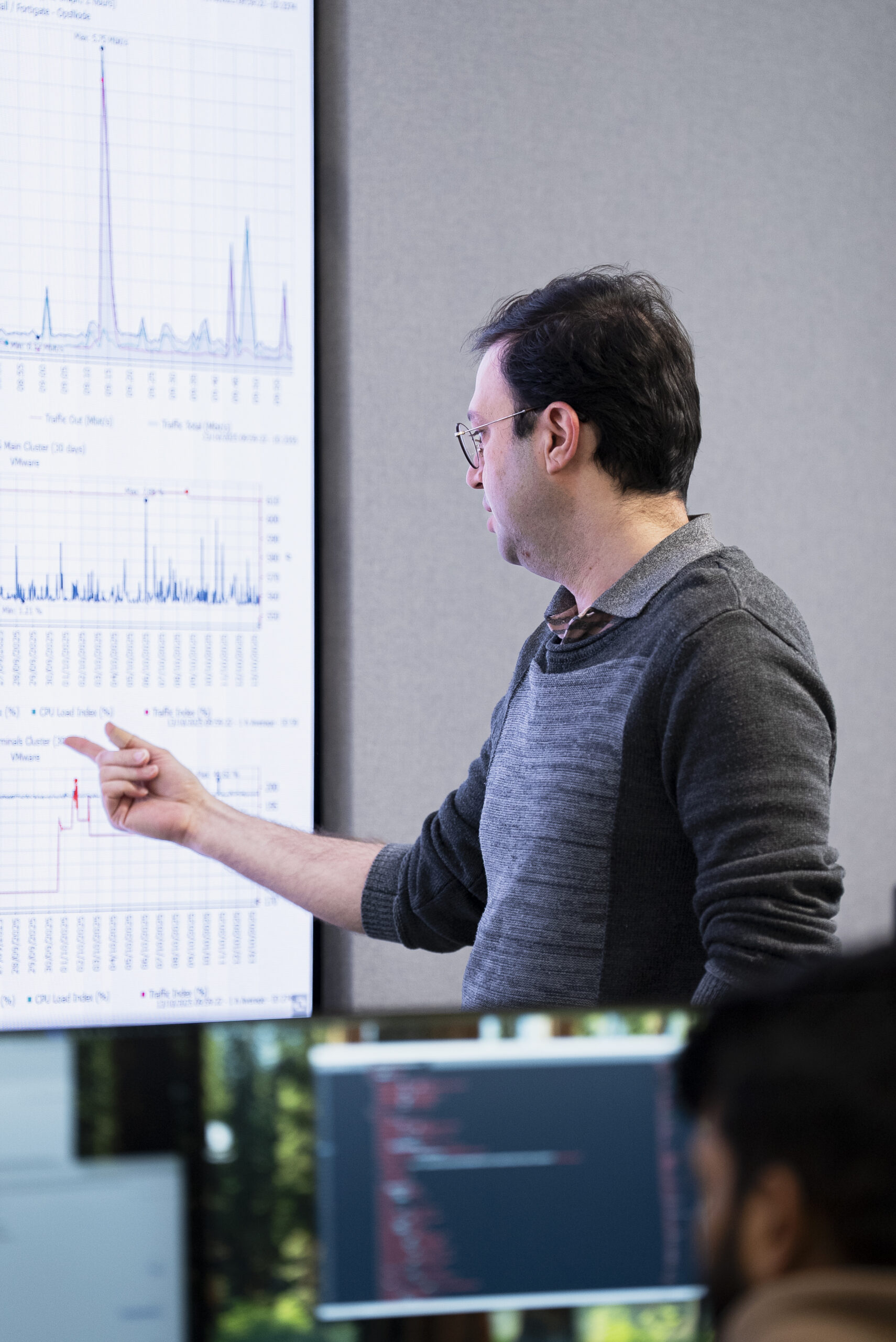
Many of the most important challenges in future networks are system-level challenges. They do not sit within one device, one software platform or one technology domain. They emerge from the interaction between radio, transport, cloud, edge computing, applications, security, orchestration, and operations.
This is also where conventional laboratory environments can become limiting. A technology may work well in isolation but behave very differently when it is integrated into a wider end-to-end system, deployed across multiple sites, or exposed to realistic operational constraints.
JOINER is being developed to address this gap.
A useful experimentation platform needs to bring together network, cloud, compute, storage and specialist hardware in a way that users can access securely and combine around different research questions. It also needs to manage projects, users, permissions, resource allocation, monitoring and support across a shared international infrastructure.
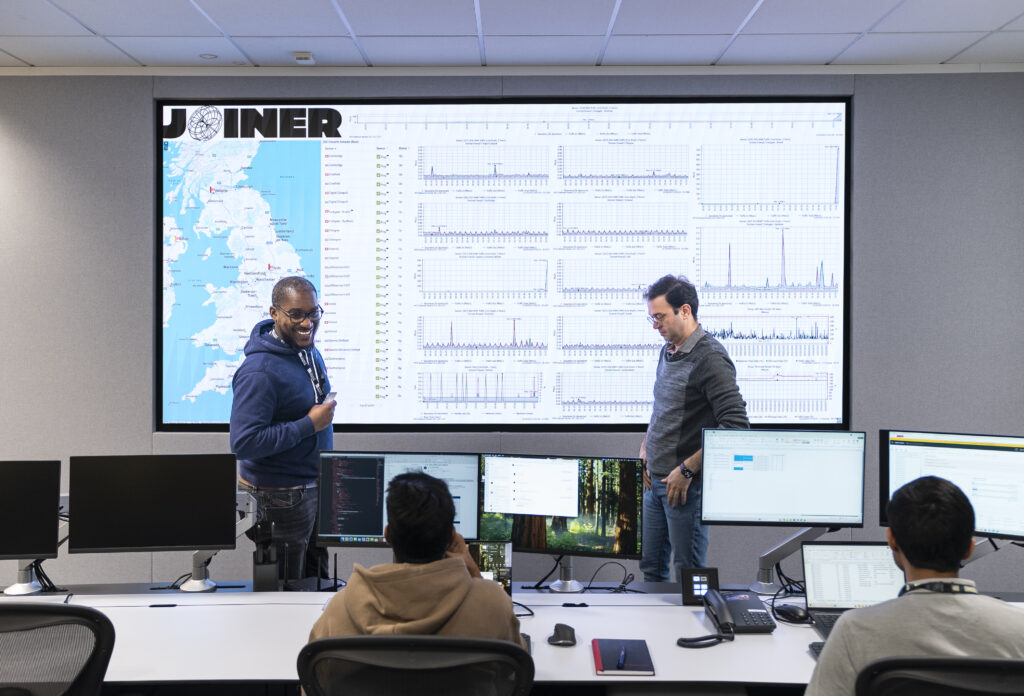
This is where much of JOINER’s technical development has been focused.
Today, JOINER provides a common environment for building and running distributed experiments across multiple technology domains. It supports private and public cloud resources, programmable networks, bare-metal infrastructure, hardware acceleration, high-accuracy timing, monitoring, network slicing, spectrum facility, NTN facility, AI acceleration facility, and mobile experimentation.
The important point is not simply that these capabilities are available. It is that they can be combined as part of the same experiment.
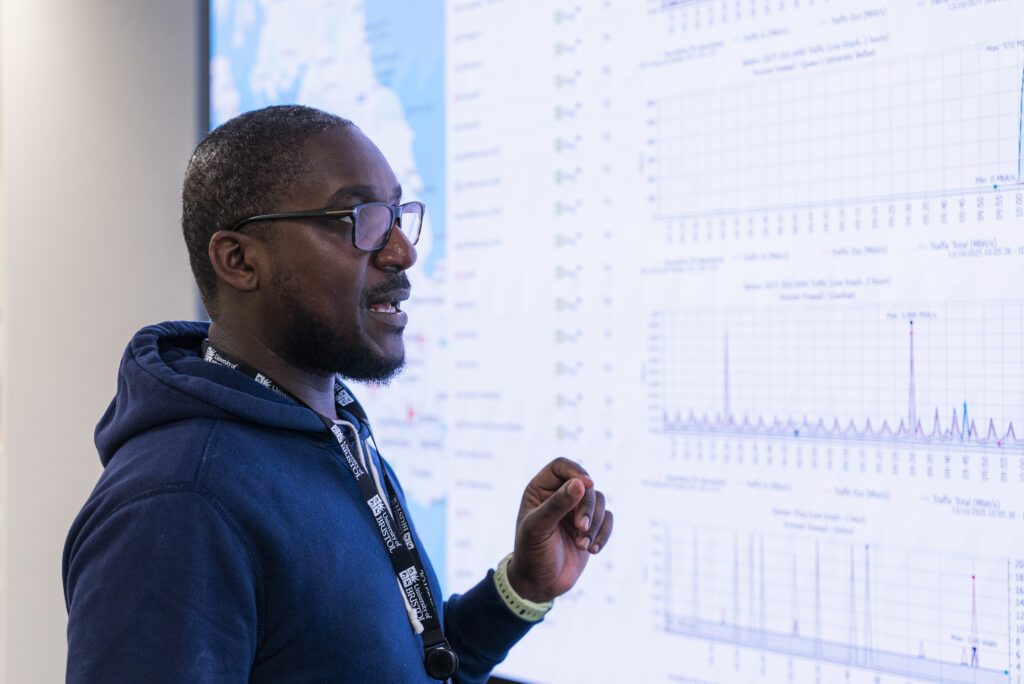
A project may, for example, need edge compute at one site, a public-cloud environment, connectivity to another universities, a programmable data plane, access to FPGA resources, datasets from spectrum facility and a shared monitoring workflow. JOINER is being developed to make this type of system-level experimentation more practical, repeatable and manageable.
That creates a number of engineering challenges.
How do we allow multiple projects to use the same infrastructure securely without affecting one another? How do we translate a user request into cloud, network and hardware resources? How do we coordinate technologies that are managed by different controllers? How do we provide flexibility to researchers without losing operational control? How do we collect meaningful measurements across physical and virtual infrastructure? And how do we make a geographically distributed platform behave as one coherent environment?
These are some of the areas we will explore in this Under the Hood of JOINER series.
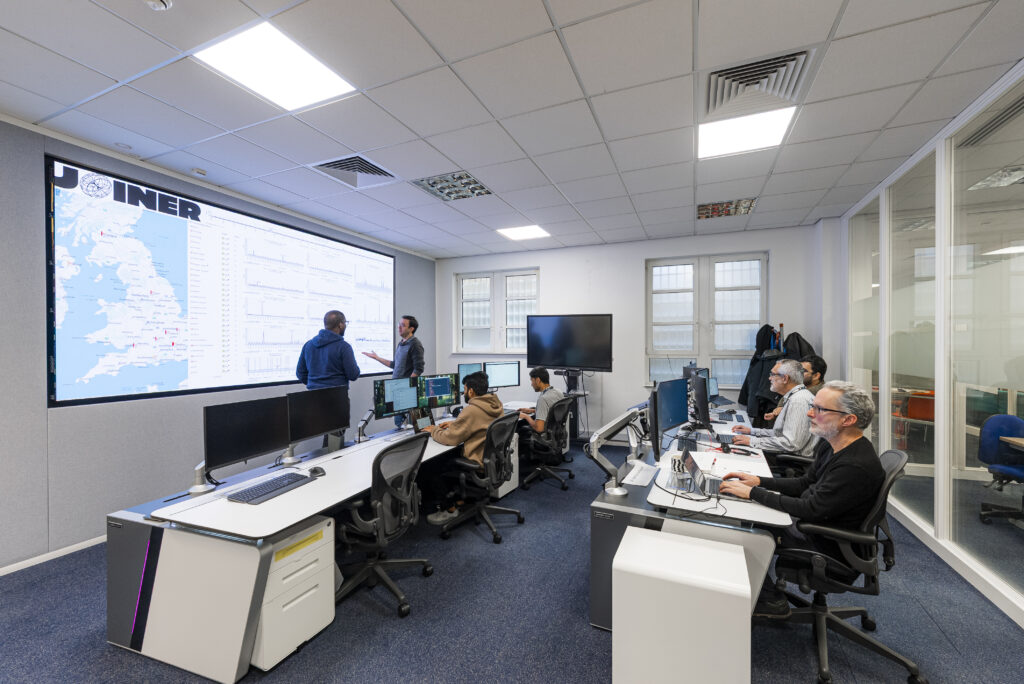
The series will cover:
- JOINER Brain, Terminal and Fabric: the main architectural components of the platform and how they work together.
- Multi-tenancy by design: how projects, users and resources are securely separated across a shared infrastructure.
- From user request to deployed experiment: the journey from user onboarding and resource request through to orchestration, deployment and monitoring.
- Hybrid cloud and Hypervisor-as-a-Service: how JOINER combines private cloud, public cloud and dedicated bare-metal environments, and why some experiments require control below the standard cloud layer.
- Network slicing across JOINER: how isolated network environments can be created across sites, transport, and cloud resources.
- Monitoring and observability: how JOINER provides visibility of network, compute, storage, cloud and experiment performance.
- Timing and synchronisation: why accurate timing is important for distributed systems, mobile networks and meaningful performance measurement and how JOINER provide national scale timing sources.
- P4 and programmable data planes: how researchers can test new forwarding, telemetry and traffic-management or any advance routing approaches.
- FPGA acceleration: how programmable hardware supports packet processing, signal processing, AI workloads and hardware–software co-design.
- JOINERmobile: how JOINER capabilities can be taken beyond fixed research facilities into temporary and real-world deployment environments.
The intention is to give a clearer view of the technology behind the platform, the design decisions we have made, and the challenges involved in enabling system-level research across a distributed national infrastructure.
JOINER continues to evolve, and this series will provide a practical look at that journey.
Author: Amin Emami